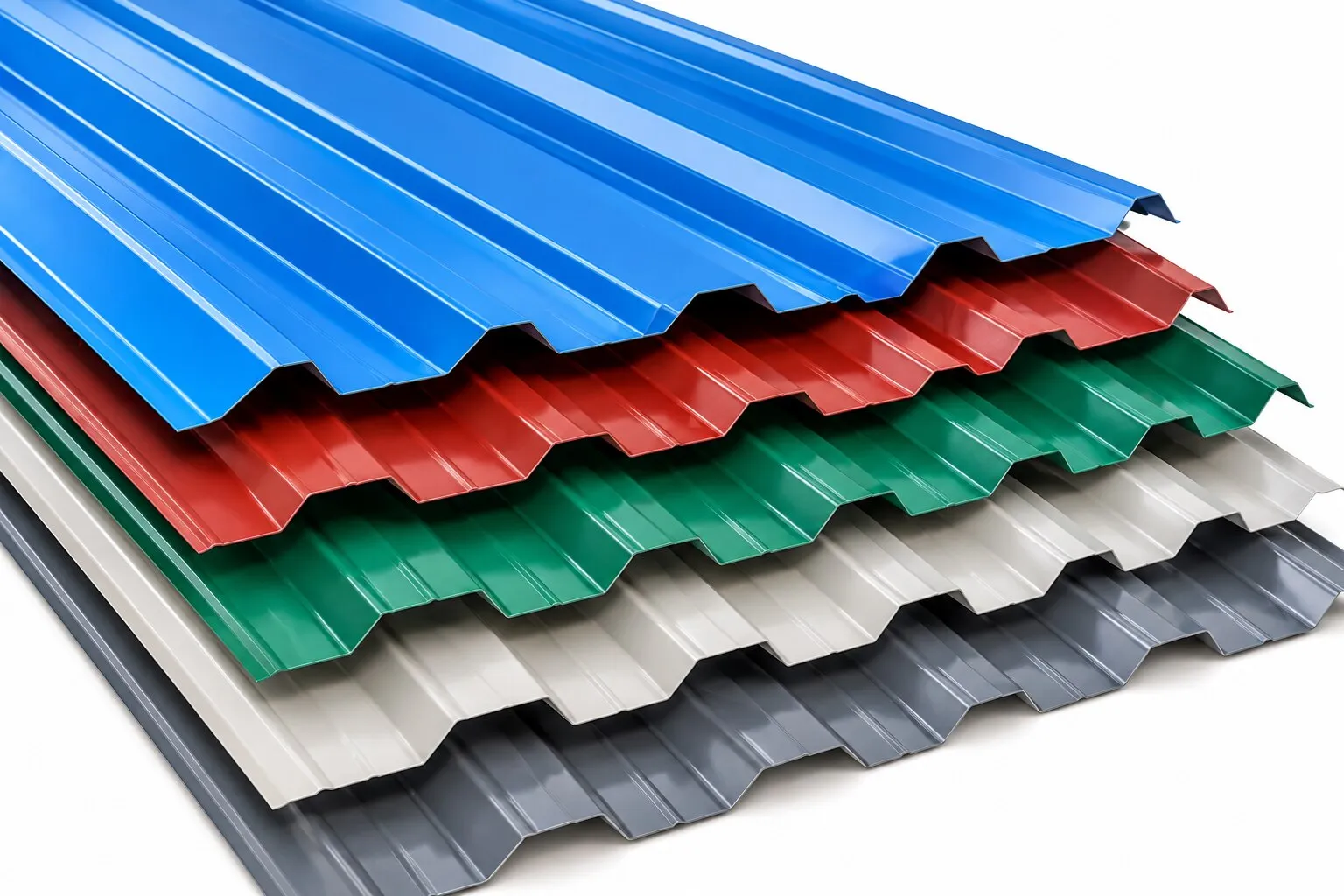
A roof sheet exposed to Nagpur’s pre-monsoon sun can become far hotter than the surrounding air, but its colour alone does not determine the temperature inside a building. By comparing solar properties, coating construction, structural details, insulation and complete roof build-ups, you can reject vague quotations and select a specification suited to the building’s actual heat target.
Key takeaways
- Specify solar exposure, dust, ventilation and roof geometry—not air temperature alone.
- Put coating, thickness, substrate, colour, fasteners and warranties on the quotation.
- Use insulation when indoor heat, condensation or process protection matters.
- Compare coated steel with polycarbonate, aluminium and concrete on lifecycle needs.
What Nagpur summer exposure should your roof specification account for?
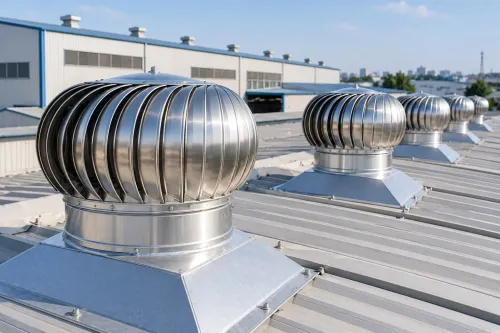
Start with the roof’s design exposure, not Nagpur’s reported air temperature. A fair colour coated sheets requirements comparison for summer heat in Nagpur records direct solar exposure, pre-monsoon dry-bulb conditions, dust, roof geometry, ventilation, and the consequences of failure above an occupied or process-critical space.
| Item | Record in the specification | Why it matters |
|---|---|---|
| Outdoor exposure | Roof orientation, pitch, shading and direct-sun hours | Solar load changes across roof faces and slopes |
| Site conditions | Pre-monsoon heat, dust, monsoon humidity and wind-driven rain | Coating, drainage, laps and cut edges face different stresses |
| Roof build-up | Single skin, cavity, insulation, ceiling and ventilation path | A sheet alone does not define indoor heat gain |
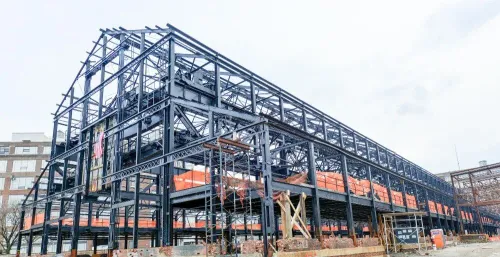
| Structural geometry | Profile, effective cover, support spacing and lap arrangement | Stiffness, drainage, fastener demand and exposed area change together |
| Indoor duty | Occupancy, equipment, lighting, process heat and target temperature | Cooling demand is not determined by roof colour alone |
For colour coated sheets summer heat in Nagpur, request the complete roof U-value or thermal resistance, then separate solar roof gain from heat generated by machinery, people, lighting and ventilation air. Steel conducts heat readily; a light colour can reduce solar absorption but cannot replace insulation or a ventilated cavity.
Compare the actual profiled roof assembly, not flat sheet thickness in isolation. Define whether “heat-resistant” means lower solar gain, colour retention, adhesion, corrosion resistance, thermal movement or fire performance, because each needs its own test and acceptance limit. Include ponding, lap sealing, condensation and cut-edge protection before approving the summer comparison.
Which colour coated sheet requirements belong on the quotation?
A quotation that says “heat-resistant coated sheet” is incomplete. Ask for separate colour coated sheet requirements covering solar heat gain, fading, chalking, adhesion, corrosion and fire performance, each with a test method, pass limit and warranty condition. Compare the complete roof build-up, not a paint name.
| Requirement | What to compare line by line | Why it matters |
|---|---|---|
| Steel substrate | Grade, nominal thickness, thickness tolerance and metallic coating mass | A thicker-looking profile can still have a weaker substrate |
| Profile and installation | Rib depth, effective cover, lap, roof pitch and support spacing | These control stiffness, drainage, exposed area and fastener demand |
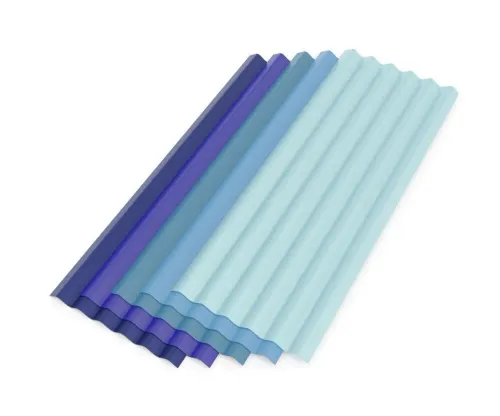
| Paint system | Polyester, silicone-modified polyester, polyurethane or PVDF/FEVE; dry-film thickness | Chemistry affects colour retention, chalking, adhesion and cost |
| Weathering evidence | Accelerated-weathering method, colour change, chalking rating and corrosion result | “Heat-resistant” does not prove summer durability or monsoon performance |
| Solar properties | Solar reflectance, thermal emittance and SRI under ASTM E1980/E1980M conditions | Reflectance rejects sunlight; emittance releases absorbed heat |
| Thermal design | Complete roof U-value or thermal resistance, insulation thickness and ventilated cavity | Steel sheet alone does not insulate an occupied space |
State the coated sheet heat conditions in the quotation: roof orientation, pitch, ventilation, dust exposure, monsoon humidity and whether the space is occupied or process-critical.
Also specify the colour by a measurable reference, not “light” or “dark”; dark finishes usually absorb more solar energy, increasing surface temperature, cooling demand and thermal movement, while very bright finishes can create glare.
- Require a product data sheet, coating test reports, sample, warranty exclusions and installation details.
When is a single-skin roof enough, and when do you need insulation?
A single-skin roof is enough for an unconditioned shed where the target is shade, rain protection and acceptable storage conditions. It is not enough for a cooled workspace: steel conducts heat, and the underside can become hot even when the sheet has a light-coloured coating.
| Roof option | Indoor temperature target | When it applies |
|---|---|---|
| Single-skin sheet | No controlled temperature | Open-sided sheds, parking covers and non-critical storage |
| Ventilated double-skin roof | Lower heat gain without a sealed insulated envelope | Large halls where eave-to-ridge airflow can continuously purge the hot cavity |
| Insulated build-up | Defined reduction in heat flow | Occupied or process areas where the roof U-value must meet a cooling-load calculation |
| Sandwich panel | Stable, controlled indoor conditions | Offices, clean areas and temperature-sensitive production spaces needing factory-integrated insulation and sealed joints |
For colour coated sheets summer heat in nagpur, choose the roof system from the indoor design temperature and allowable cooling load, not from colour alone. A ventilated cavity needs clear eave and ridge paths; a radiant barrier only works when it faces an air space. Neither replaces bulk insulation.
Your colour coated sheet requirements should request the complete roof U-value, insulation type and thickness, cavity geometry, support spacing, laps and fastener details. Ask the designer to separate roof solar gain from heat released by machinery, lighting, people and ventilation air.
A sandwich panel suits a tighter thermal target; an insulated built-up roof offers more flexibility but demands careful installation at joints and penetrations.
How do colour coated sheets compare with other roofing materials?
A colour-coated steel roof is a solar-control skin, not insulation. For a colour coated sheets requirements comparison for summer heat in nagpur, compare the complete roof U-value, cavity ventilation and insulation—not paint colour or sheet thickness alone.
| Option | Summer-heat advantage | Trade-off in Nagpur |
|---|---|---|
| Colour-coated steel | Light colours reflect more solar radiation; steel provides durable profiles and controlled appearance. | Steel conducts heat quickly. Dark coatings raise surface temperature, cooling demand and glare; dust reduces reflectance. Require a ventilated cavity or insulation. |
| Unpainted galvanised steel | A new zinc surface can reflect sunlight and costs less than a finished coating. | Reflectance changes as zinc weathers and collects dust. It offers no thermal insulation, and its appearance and corrosion protection are less controllable. |
| Bare aluminium | Low weight and good natural reflectance reduce structural load. | Aluminium still conducts heat, expands more with temperature cycling, and dents more easily. Check movement details, fasteners and glare near occupied areas. |
| Insulated sandwich panel | Factory-fitted mineral-wool or PIR insulation sharply reduces conductive heat gain and improves airtightness. | It costs more, and joints, penetrations, fire classification and damaged cores determine real performance. |
| Polycarbonate sheet | Transmits daylight, reducing daytime lighting demand. Multiwall grades provide some resistance to heat flow. | Solar radiation still enters directly; clear sheets can overheat interiors. Check solar-control data, UV warranty, expansion gaps and fire rating. |
In coated sheet heat conditions, profile depth, laps and support spacing also affect airflow and leakage. Use insulation where the indoor temperature target or process load demands it; roof colour alone cannot offset hot equipment, lighting or outdoor air entering through ventilation.
What should you demand from a colour coated sheets supplier in Nagpur?
A colour coated sheets supplier in Nagpur should submit a project-specific package, not a colour chart and the phrase “heat-resistant.” Reject a quotation that cannot identify the proposed coil, coating system and complete roof build-up.
- Request the coil-mill name, coil or batch number, steel grade, base-metal thickness, coating mass, paint chemistry, topcoat and backing-coat thickness.
- Require material certificates, coating certificates, accelerated-weathering results, colour-change and chalking data, plus initial solar-reflectance and thermal-emittance values for the specified finish.
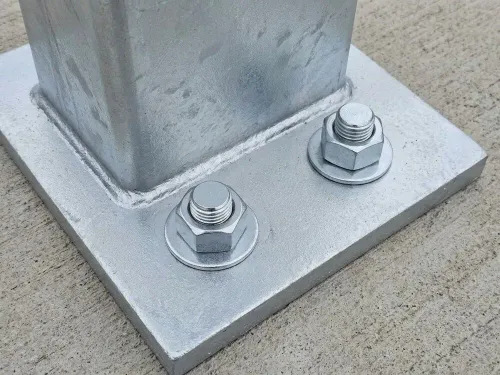
- Ask for a roof plan showing profile, effective cover, purlin spacing, fastener type, side-lap and end-lap details, ridge flashing, gutters, penetrations and the complete insulation or ventilation arrangement.
- Approve a physical sample against the selected colour and profile before dispatch. A screen image cannot establish colour or gloss acceptance.
- Put replacement-sheet availability, warranty exclusions, inspection responsibility and local technical support in writing.
| Quotation | Evidence it contains | Warning sign |
|---|---|---|
| Project-specific | Coil identity, tested finish, roof U-value and drawings | Generic thickness and colour only |
| Installation-ready | Fastener, lap, flashing and support details | “Install as per standard practice” |
| Monsoon-ready | Drainage, sealing, ponding and corrosion inspection plan | No rainwater or leakage checks |
Before the first monsoon, inspect laps, cut edges, penetrations, gutters and blocked drainage after a heavy shower; water marks beneath fasteners expose poor sealing quickly. RSR Steel Pvt. Ltd can be assessed by the same document-and-sample test, rather than by catalogue claims. These are the colour coated sheet requirements that make comparison useful.
Related product
 | Colour Coated Sheets RSR Steel Pvt. Ltd. offers premium Colour Coated Sheets known for superior durability, corrosion resistance, and aesthetic appeal. View product → |
Frequently asked questions
What summer exposure should a Nagpur roof specification account for?
Record direct solar exposure, pre-monsoon dry-bulb conditions, dust loading, roof slope and geometry, ventilation, and the consequences of failure above occupied or process-critical areas. Roof colour, insulation and airflow affect indoor conditions as much as outdoor air temperature.
Which colour coated sheet requirements belong on the quotation?
State the base metal and grade, nominal thickness, coating system and coating mass, top and back-coat details, colour, profile, effective cover, panel lengths, fastener type, flashings, tolerances, delivery documents and warranty terms. Ask for test certificates that identify the heat number or batch.
When is a single-skin colour coated roof enough?
A single skin can suit open-sided sheds, storage areas and spaces where indoor temperature control is not important. Choose insulation when people occupy the building, stored goods are heat-sensitive, condensation is a risk, or machinery and processes require stable conditions.
How do colour coated sheets compare with other roofing materials?
Colour coated steel offers low structural weight, fast installation and broad profile choices, but it transfers heat without insulation and requires correct detailing against corrosion and leakage. Compare it with polycarbonate for daylight, aluminium for corrosion exposure, and concrete roofs for thermal mass and heavier construction.
What should you demand from a colour coated sheets supplier in Nagpur?
Request a written specification, samples, manufacturer data sheets, coating and thickness test records, batch traceability, fastener and flashing details, installation instructions, delivery inspection terms and a clearly defined warranty. Confirm that the supplier has designed for local dust, heat, monsoon runoff and site access.
Keywords